Scroll to top

      Granitor

      We are a family-owned Swedish corporation that through our companies develops sustainable solutions for tomorrow's community and industry.
      Read about our operations

      Contact us

      Granitor Group
      +46 10 470 70 00
      info@granitor.se

      Head office
      Stjärntorget 1
      169 79 Solna

      Contact us today

      Shortcuts

      About Granitor

      Responsible businesses

      Career at Granitor

      Cookie Settings

      Together to get there logo
      • Integrity and cookie policy
      • Employee login
      • Whistleblowing system

      We plant one tree for each employee

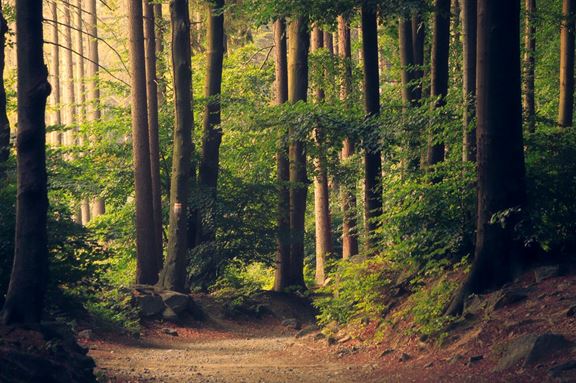
      Every year, we plant a tree for every new employee at Granitor. Together, the trees form Granitor Forest.


      Granitor Forest

      In connection with the rebranding from Midroc to Granitor, we launched Granitor Forest. At that time the first 4,400 trees were planted, one for each employee in the Group, and at each year-end Granitor will plant trees to match the number of employees starting work at Granitor during the year. This year, Granitor Forest is growing with a total of 707 trees planted by the organization Vi-skogen.

      Today Granitor Forest consists of 5107 trees.

      The tree is a strong symbol for Granitor in many ways. It symbolizes both our long-term approach and our focus on responsible business.

      Vi-skogen

      In 2023, 707 trees were planted by the organization Vi-skogen. Vi-skogen is a Swedish aid organization and tree planting initiative in Kenya, Uganda and Tanzania. Three countries that are heavily affected by deforestation and have lived with its devastating effects for both people and nature for many years.

      Nordic Earth

      The first trees were planted in South Africa in the Nordic Earth project. Not only do the trees absorb carbon dioxide, but each planted tree also contributes to the training of young people in Cape Town in urban farming. For each planted tree, young people are given the opportunity of better education.

      The natural soil in South Africa consists largely of sand, which is difficult for plants to grow in. The native trees that are planted are called Spekboom. They can cope with the harsh natural environment, absorb a lot of carbon dioxide and can live up to 200 years. Planting takes place in urban environments, such as around schools or other public places, and creates much-needed greenery.